Most talk about remote desktop is about support: someone has a problem and someone else fixes it. The same tool saves a lot of time on ordinary work, once it is set up for that. These are the uses that pay off most, and the settings that make them work well.
Reach your own computers from anywhere
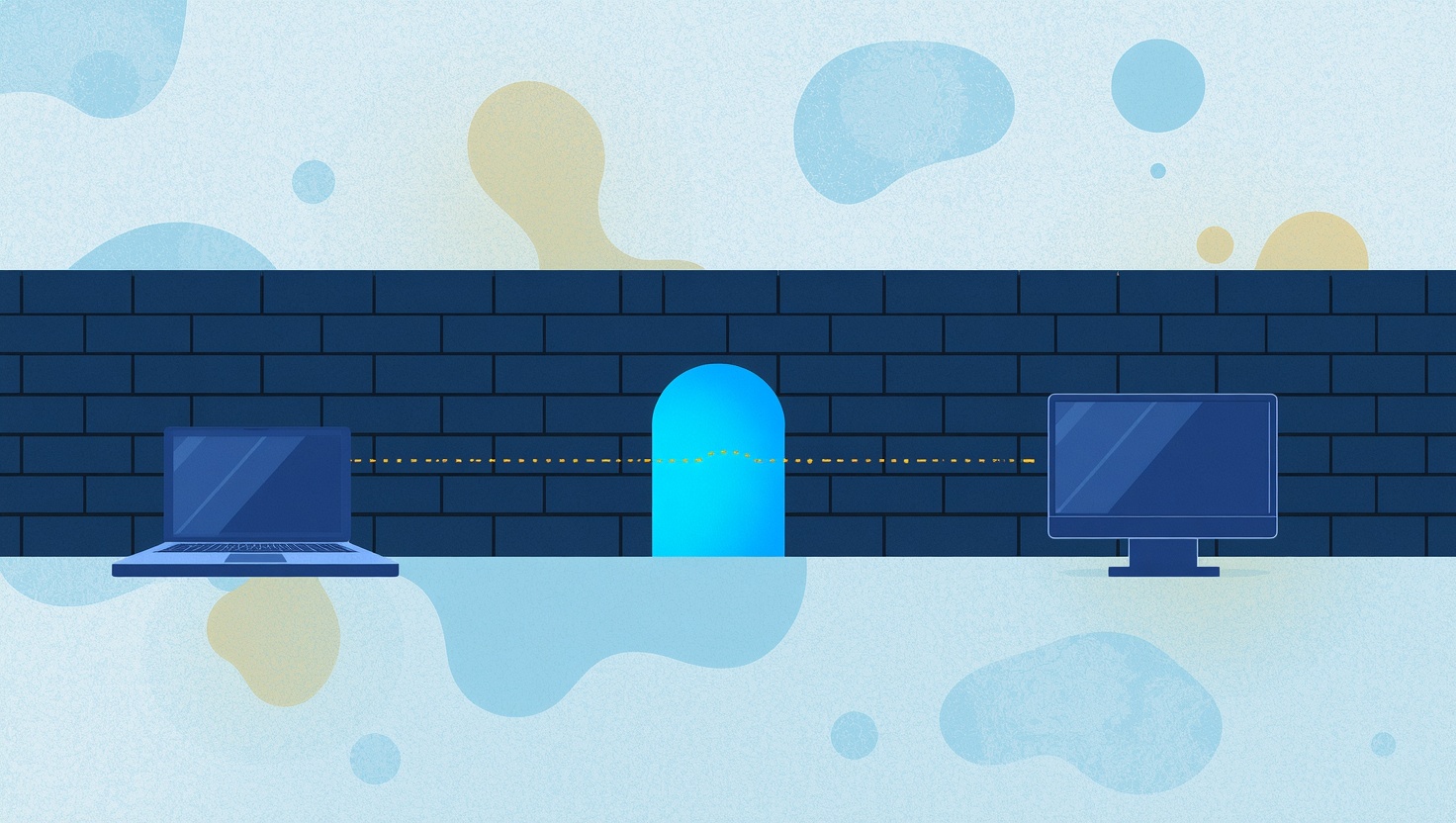
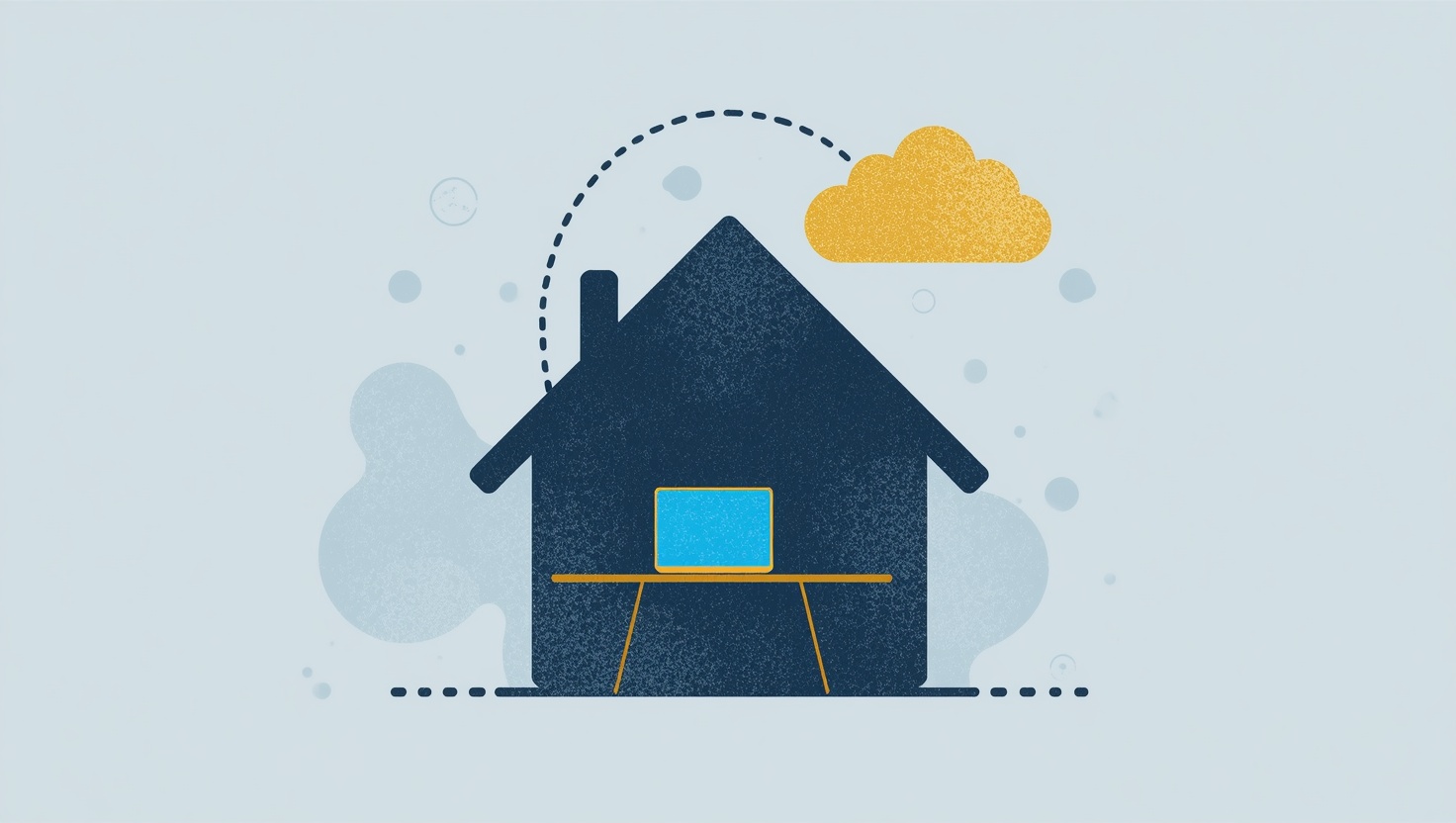
The simplest win is not carrying your computer around. Leave the office workstation, with its software, licences and files, where it is, and connect to it from a laptop at home or on the road.
Two settings make this dependable. Turn on unattended access with a permanent password on the computer you want to reach, so nobody has to be there to accept the connection. And link your computers to the HopToDesk Dashboard, so they sit in one list with their online status and you connect from there instead of hunting for an ID.
Move files without email
Emailing a file to yourself, or carrying it on a USB stick, is a habit worth breaking. During a session you can transfer files in either direction, and copy and paste text between the two computers.
Work on a big computer from a small one
A light laptop is pleasant to carry and unpleasant for heavy work: compiling code, editing video, running a large spreadsheet model, or working with design and CAD files. Leave the heavy lifting on a desktop or server and drive it remotely.
A few settings help:
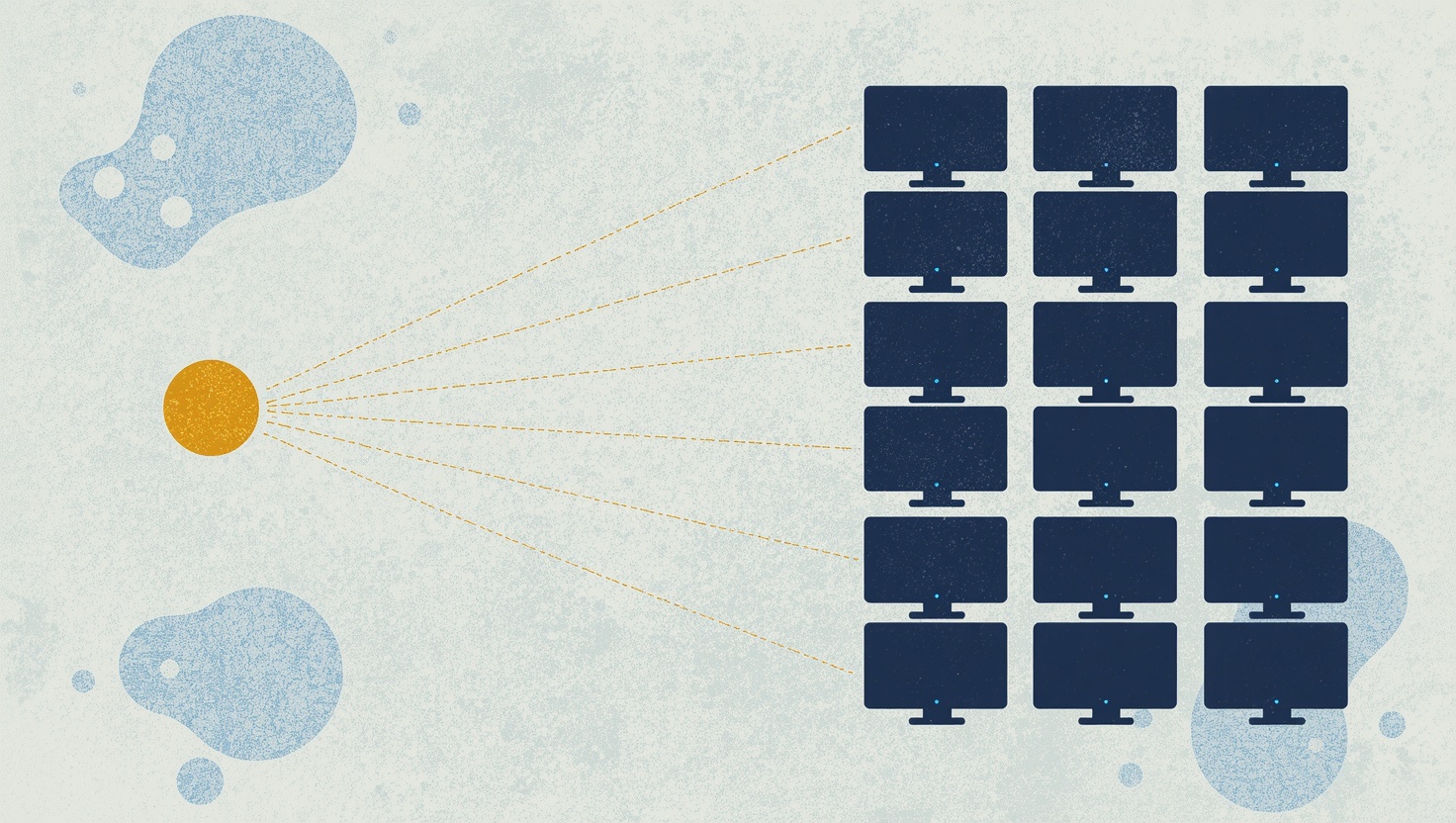
- If the remote computer has several monitors, the session toolbar shows a tile for each. View one at a time, or all of them side by side in one window.
- The Frame rate setting in the Display menu goes up to 120 frames per second, for smooth scrolling and motion work on a fast link.
- On a thin connection, lower the frame rate or pick a quality preset that favours speed.
Computers without a monitor
A server or a spare computer in a cupboard does not need a screen, keyboard or mouse. On Windows, HopToDesk provides a virtual display when no monitor is plugged in, so you still get a full desktop when you connect. That is one less monitor to buy for every machine that is only ever used remotely. More on headless machines.
Skip the desktop when you do not need it
Some jobs are a single command: restart a service, check disk space, read a log. Remote Terminal opens a command line on the remote computer directly, without a full desktop session.
Work together on one screen
Two people looking at the same screen solve problems faster than two people describing their screens to each other. One person connects to the other's computer, and both see the same desktop. To follow along without taking the mouse away from the other person, turn on View only in the Display menu. The in-session chat covers what is easier to type than to say.
None of this is dramatic. It is a few minutes saved on every file, every trip and every "can you look at my screen". Across a week those minutes add up to hours, and the computers you already own do more of the work.